

Real Estate Market Intelligence Forecast 2026

Real Estate Market Intelligence
Forecast 2026
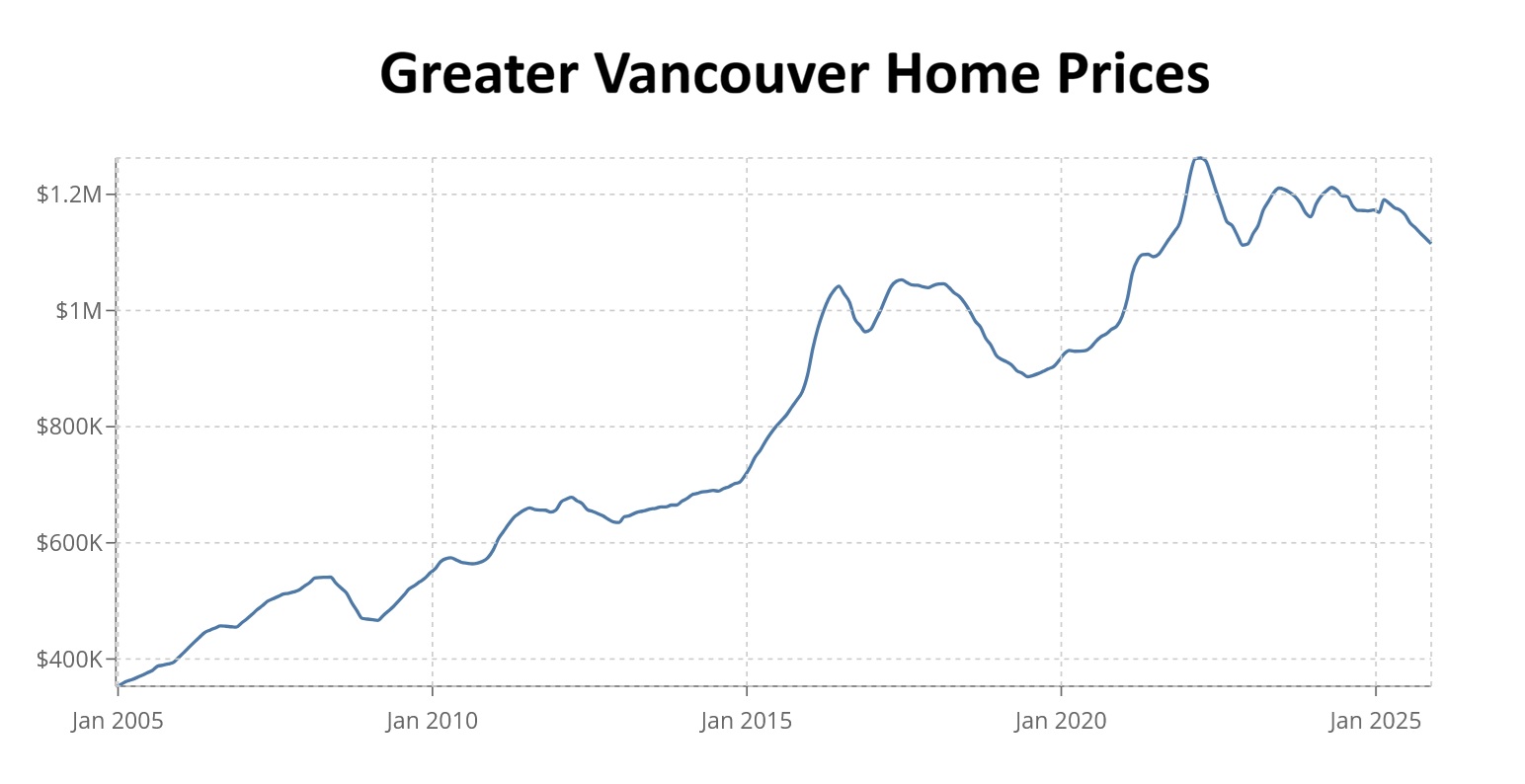 Hope your New Year is off to a great start. To say 2025 was a volatile year was an understatement. For some, the year felt long and wild, from US stocks roaring and gold hitting all time, to the sluggish sales and some record lows for real estate in North American cities and many parts of the world. Canadian real estate, which was once seen as the golden child and a the bullet-proof investment, has finally come back to its sense: the correction in 2025 was truly one for the books. From mom and pop real estate investors getting burnt, to more developers going bankrupt, to Buyers continue the fear of overpaying, there seem to be no where to hide. With all that in mind, the overnight rate in 2025 had gone down by a full -1% last year, which would usually stimulate the real estate market to shoot up. However, the exact opposite is true. For this reason, I am doing 2026 report this year with only a 6 month forecast in mind (instead of the full year that I used to do), simply because of the unprecedented volatility we have and it doesn't make sense to project something 11 months out anymore. Without further ado, let's jump right into it.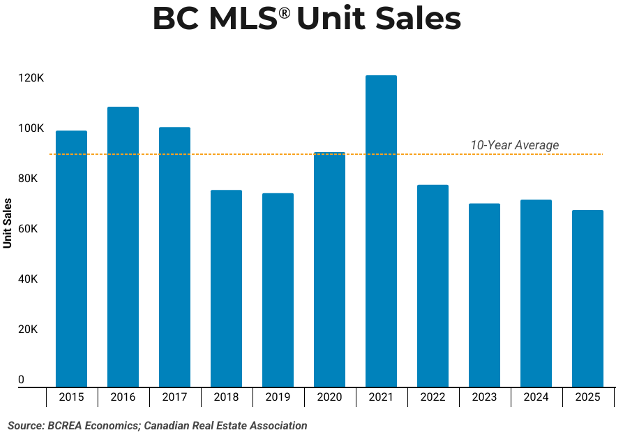
By The Numbers
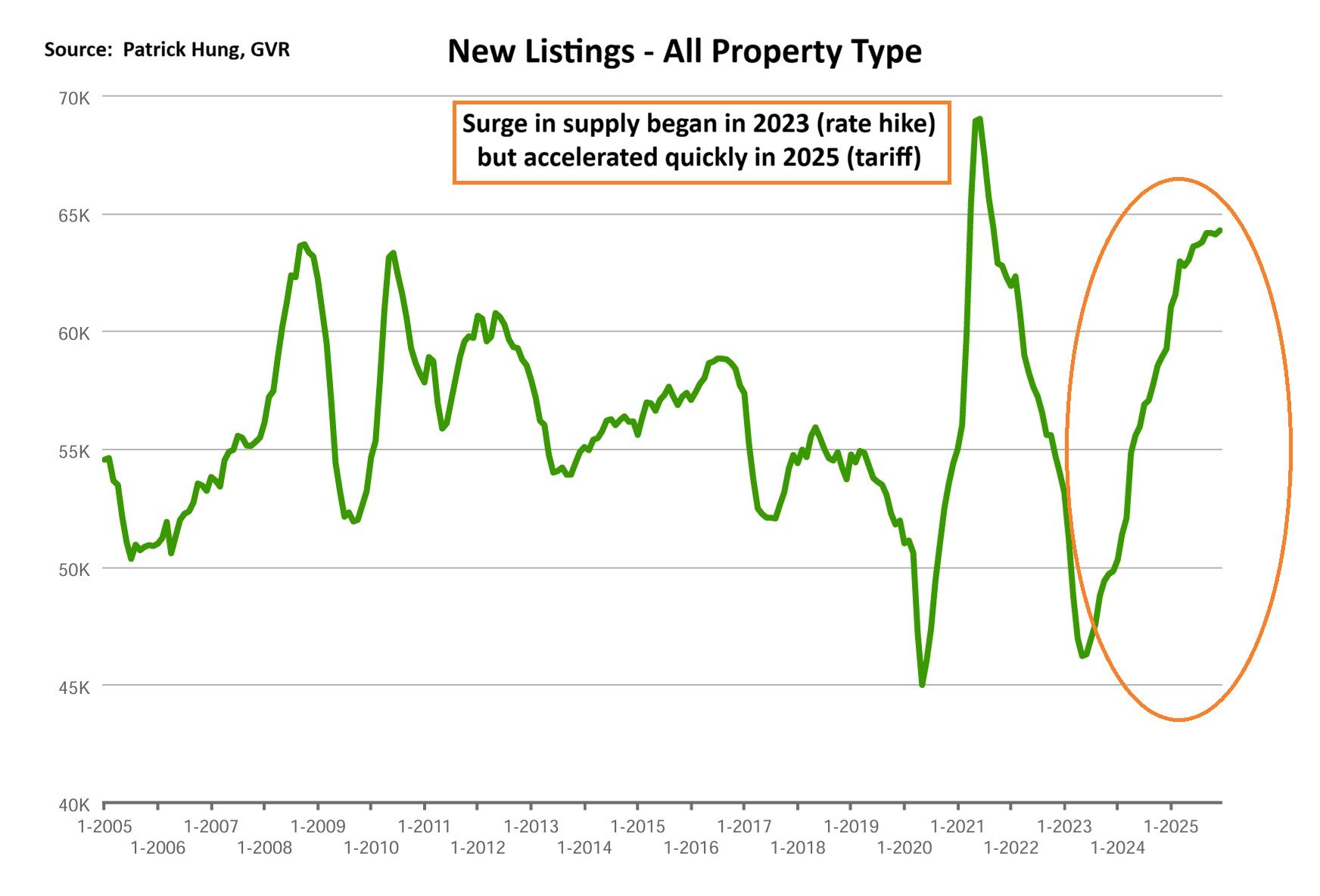
2025 was a year that the candle got burned on both ends. Last year's residential real estate was in for rude awakening for Sellers, but a welcoming scenery for Buyers. There was a total supply of 65,335 listings in 2025, which was a record inventory of homes in the last 30 years. This eclipsed the last record by +1,000 homes back in 2008 (Global Financial Crisis). Last year's total listing was also +13.1% over the the 10 year average. Vancouver real estate has had a long history of supply issues, and has created the perfect environment to spoil Sellers, whom have been so used to dictating the price and pace of the market. We used to hear Sellers say "If I don't get the price I want, I will just try again in two years." Thus, prices had been stubbornly high and affordability had been getting worse. It wasn't until last year that Sellers were forced to realize that the market has materialistically changed. Whether they like it or not, Sellers were pitted against each other, much like during the pandemic when the Buyers were pitted against each other in bidding wars. How the tables have turned.
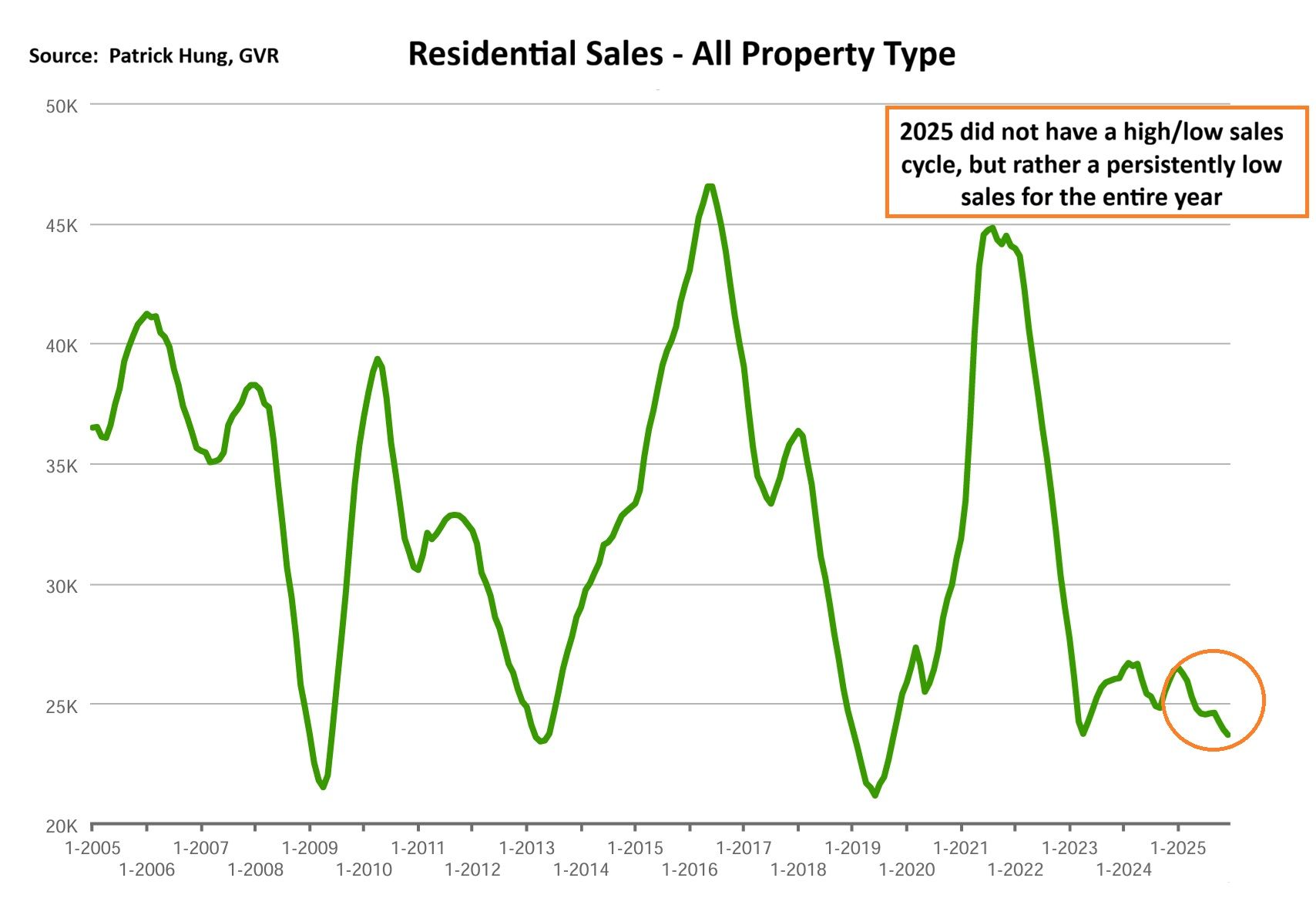
By the same token, there were a 23,800 units in total sales last year, which marked the lowest sales in over 20 years (see chart below). Last year's sales total was also -24.7% below the 10 year average. For the most part, Buyers were having a psychological warfare amongst themselves: the FOOP (Fear of Over Paying) continues to haunt them into 2026. It's the type of thinking that "If it's cheaper in 3-6 months, then why would I buy now?" that caused the sharp drop in sales. And frankly, that's a right logic if the Buyer has no urgency (i.e First time home buyers living at home with their parents). Since the market now continue to be driven mainly by end-users, I must emphasize that it is those who has the core need (i.e growing family with another child on the way that needs to upsize) that will transact. For this same reason, the market has become polarized, and it's the homes that fit well into the buyers needs, such as spacious living area with practical floorplan that is well lit with natural sunlight: these homes will still sell. On the other hand, micro homes that are 400-500 sf are getting left in the dust, and will continue to be in 2026-2027. Let's face it, who wants to live in micro-homes? They were built and sold intended for investors, who's target renter base are the international students and young professionals. Moving forward, we will see these less-desirable micro-homes or bad condition single houses drag the market price further downward.
Top Three Trends of 2025
1. Cowichan Land Claim
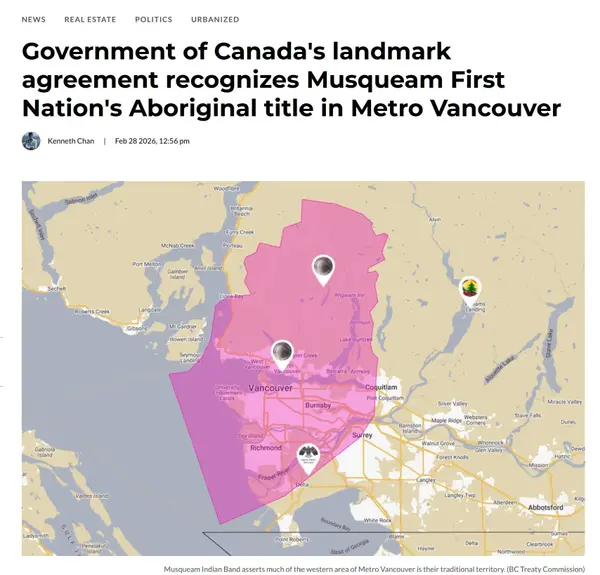
By far this one tops the chart, and seems to be affecting just about every Canadian. When the ruling was released in August, it hit like an atomic bomb: news coverage from near to far (even the Washington Post) were all over it. Needless to say, this has turned the basic private land ownership of fee simple upside down, and so has the legal and financial system along with it. The Richmond City public hearing in October didn't help either, as the Mayor, Malcolm Brodie, failed to address any issues. Residents affected were outright furious, with some refusing to pay the property tax (since the land is not owned by Richmond anymore, right?), but the Mayor said owner affected still had to pay. The implications are far reaching, from a financial and mortgage standpoint, imagine you're the biggest bank in Canada and you have millions of outstanding mortgage in the affect area. You won't renew the mortgage (since it's high risk), so do you wait and risk for the new owner to default? Also, the land title system is being challenged since the ruling stated the two land titles can co-exist, one with the First Nation and the other the private land. In real world, this will never not work. This has also affected businesses confidence in the Richmond area, such as the Versante hotel by the airport that saw a collapsed sale of $51.5 million in August due to the "unforeseeable" circumstance of the land claim affecting its value. On the political front, BC Premier, David Eby, has forfeited that he no longer knows how to balance business confidence and reconciliation with the First Nation. In my opinion, the damage is done, and we are already seeing relationship nearing a lowest point in modern history between First Nations and Canadians. As mentioned before, I believe much of the negotiations are happening behind closed door, and I don't think it is the land that the First Nation wants, but rather monetary terms (i.e money). Frankly, the First Nations would need tremendous support to operate any land they've claimed (i.e Kamloops of 111,000 residence, including homes and businesses such as Sun Peaks resort). Without the human resources and systems in place, it is nearly impossible. Even if there were more land claim cases across Canada, the same problem persists. Oh, did I mention that the Cowichan land claim is still undergoing dispute? This deeply-rooted social conflict will not go away anytime soon.
2. Back to Office Mandate
The back to office mandate seem to have slipped under the radar last year, but it had a significant impact on the Vancouver real estate overall, especially in the Fraser Valley such as Langley, Surrey, and Maple Ridge. It's hard to imagine that it was only 4 years ago, during the pandemic, where many thought they never had to go back to the office again. Fast forward to now, corporations big and small, from Royal Bank, Amazon, Microsoft, to the Federal government have requested employees to return to office. Sure enough, we saw in Q3 of 2025 that the commercial real estate vacancy fall drastically, and commercial real estate sales started to bounce back. However, the suburb residential real estate suffered for the same reason. Suburb homeowners who bought during the pandemic are now dreading over their long commute to work in Vancouver core such as downtown. They are also stuck at a point where their home's value had dropped and are in negative equity. To put things into perspective, the condo supply in Surrey and Langley are now at record highs, with a mind-blowing 13 months of inventory (for context, 4-6 months of inventory is healthy). Old condos and pre-sale condos alike are competing in the same space for the same buyers. The amount of downward price pressure for condos in suburbs will likely accelerate in 2026, with the earliest recovery many only come in 2027.
3. Immigration? No, Emigration
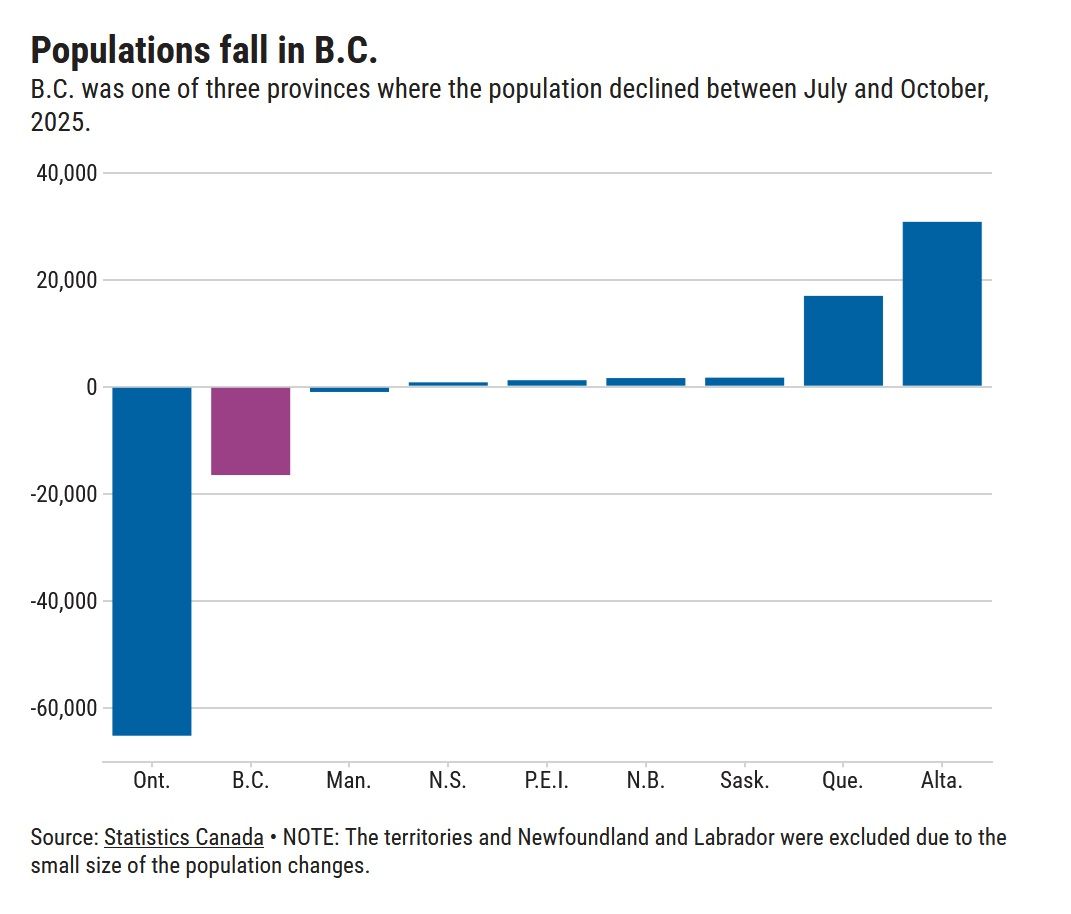
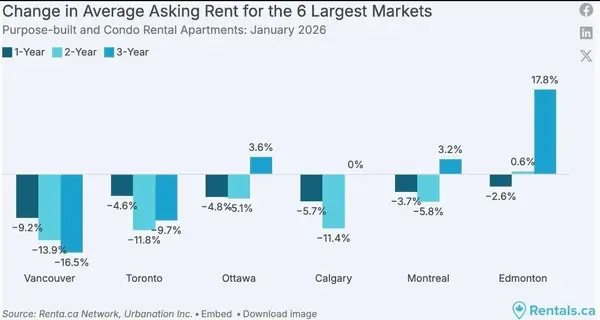
Trudeau era had one of the worst immigration policies in Canada's history by admitting a massive 3 million immigrants and non-residents (i.e temporary workers, student visas, refugees) between 2021-2024. The Canada economy and infrastructure came under massive pressure; hospitals and schools are consistently crowded and understaffed, and the unemployment rate (especially among young workers 18-25 years) continue to rise. Fast forward to a year after the federal government paused the immigrant policy, and effective making tanking immigration go zero, and the economy can now only grow so much without immigrants. For the first time since 1971 when record keeping began, Canada registered a net outflow of -76,068 people leaving in Q3 of 2025 (July-October). Of that, Ontario took the biggest piece of the pie of outflow, followed by BC, Quebec and Alberta. Reality is, when the non-residents (i.e students or work permit) were sold a Canadian dream but after 2-3 years in and they can no longer relate to that dream, they will leave on their own accord. As such, housing would be dragging down by it: rent will drop and more inventory become readily available. To make matters worse, Mark Carney's government of "Build Canada Homes" program was all in on building the rental housing. Again, the government is no longer addressing affordability but rather choose to have Canadian's rent forever. The success of the "Build Canada Homes" rental program, combined in with negative outflow of immigrants, will provide a tidal wave of rentals that had not been seen in recent history, and all that come at the cost of residential mom & pop investors. The good days of buying a pre-sale for flipping or to serve as an alternative retirement option is now no more. 2026 will be another year where we hear horror stories of pre-sale buyers who bought 3 years ago is now failing to complete, and more development projects go bankrupt as new condo sales hit 30 year lows.
*Just a disclaimer, I am an immigrant myself and I have nothing against immigration. I simply believe that Canada needs to vet the immigrants instead of allowing everyone in. Canada used to have one of the most desirable immigration systems in the Western hemisphere of attracting needed skilled workers and professionals: we need to go back to that.
Download December 2025 Real Estate Market Report
Single House Market Outlook
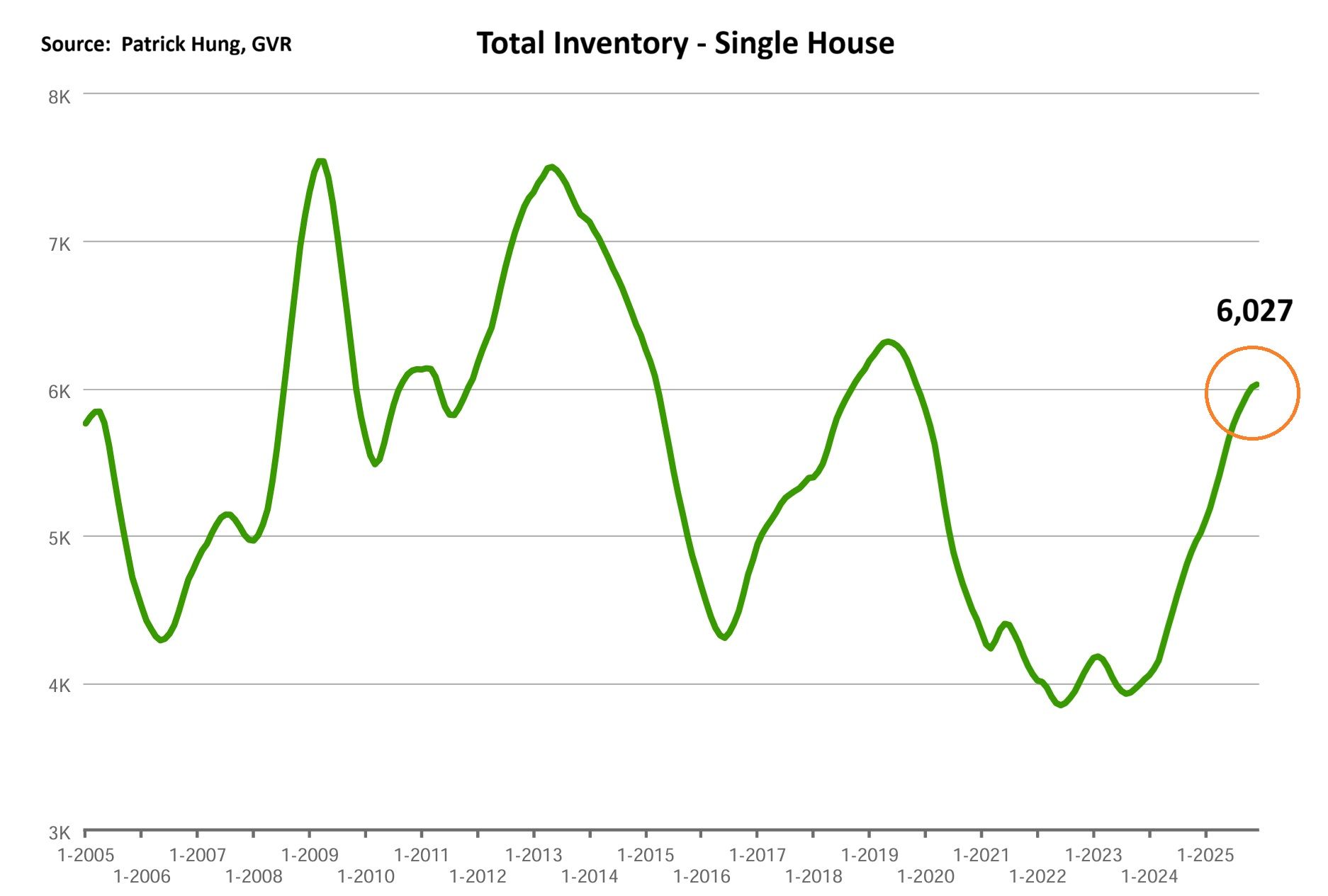
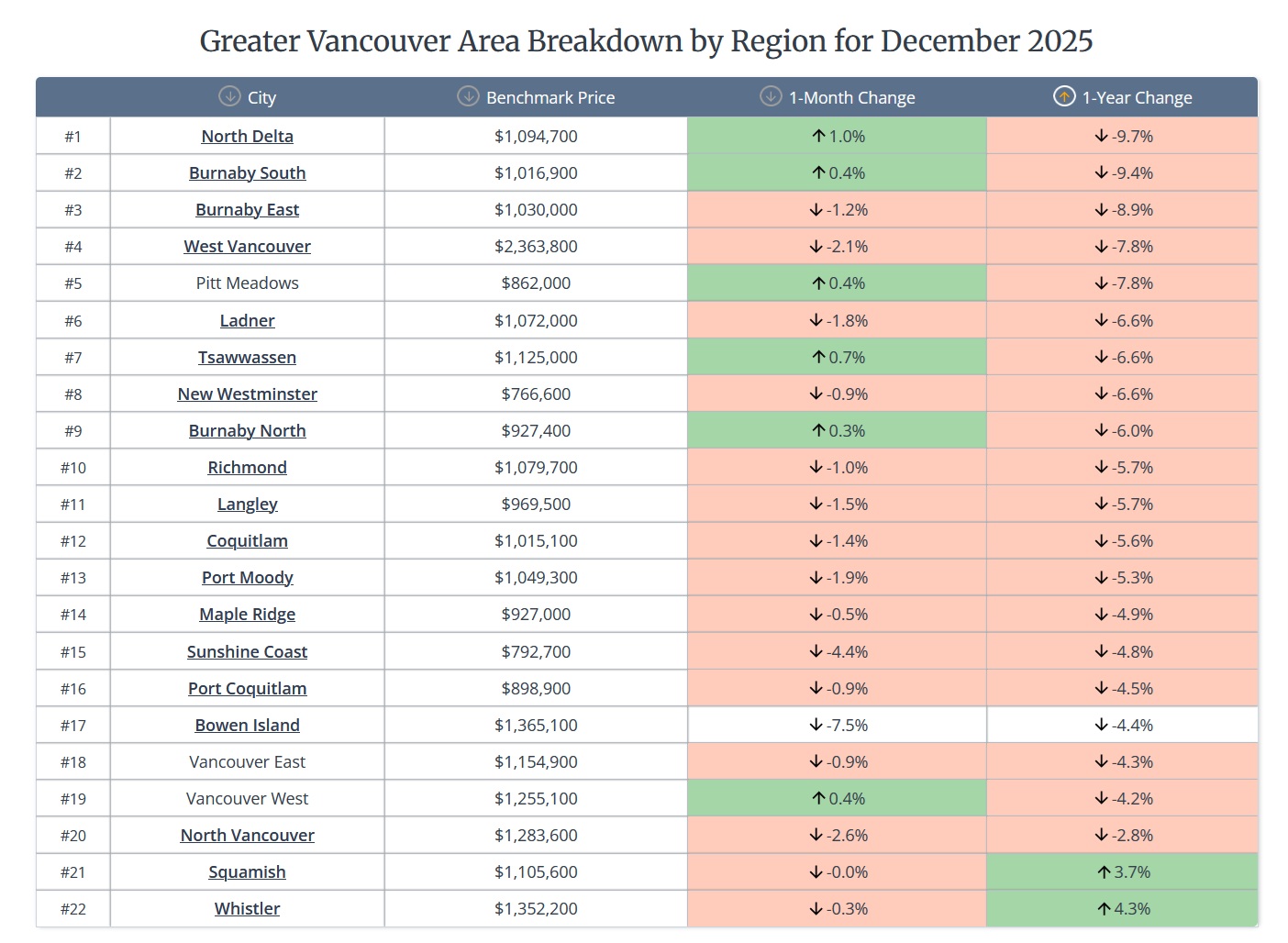
For nearly two decades, single house owners, who has baked enough equity into their homes, dictated the market. In some area, home bought 15 years ago saw the price tripled. Sellers were in no rush to sell because 1.) They feel the Vancouver real estate will ALWAYS go up AND recover, and 2.) They didn't get the price that they want, so they'll wait. According the Greater Vancouver Realtor (former Real Estate Board of Greater Vancouver), the single house priced have dropped -5.3% for 2025. Anecdotally, it feels much more than that, approximately 10-15% in my opinion. The latest BC government assessment (which was dated July 1, 2025) already checked in with ranges from -3% to -15%. Keep in the some single house prices were slashed further towards the end of the year. One news reported of a West Vancouver home sold on Jan 6th, 2026, which was bought for $4.8m (2022) and just sold for $2.96m (2026). That's a -$1.8m loss in 4 years. Another example of the tough market for Sellers out there now, and imagine you're the that neighbor seeing the record low price, which will set and become the new benchmark price within the area. So, when is that "one day" of recovery the Sellers were thinking?
Looking further into 2026, I feel that single house prices will continue to drop but sales will increase compared to last year. For the first time in a long time, the single house prices have dropped to a point where it allows buyers with a tighter budget (i.e $1.5m in Greater Vancouver entry level home) to finally pull the trigger. Own a piece of land, the feeling of touching grass in the front and back yard: this "ultimate goal" of single house ownership for the growing family had been brushed aside for many years. Looking at the bigger picture, supply is now healthy yet there is hardly any new single houses being built. This translates into a short term abundant supply vs. long term shortage. For the next 6 months, we should continue to see more single houses hitting the market, and I expect those Buyers, who had been sitting on the sideline for 3-6 months, would be highly tempted to make a move.
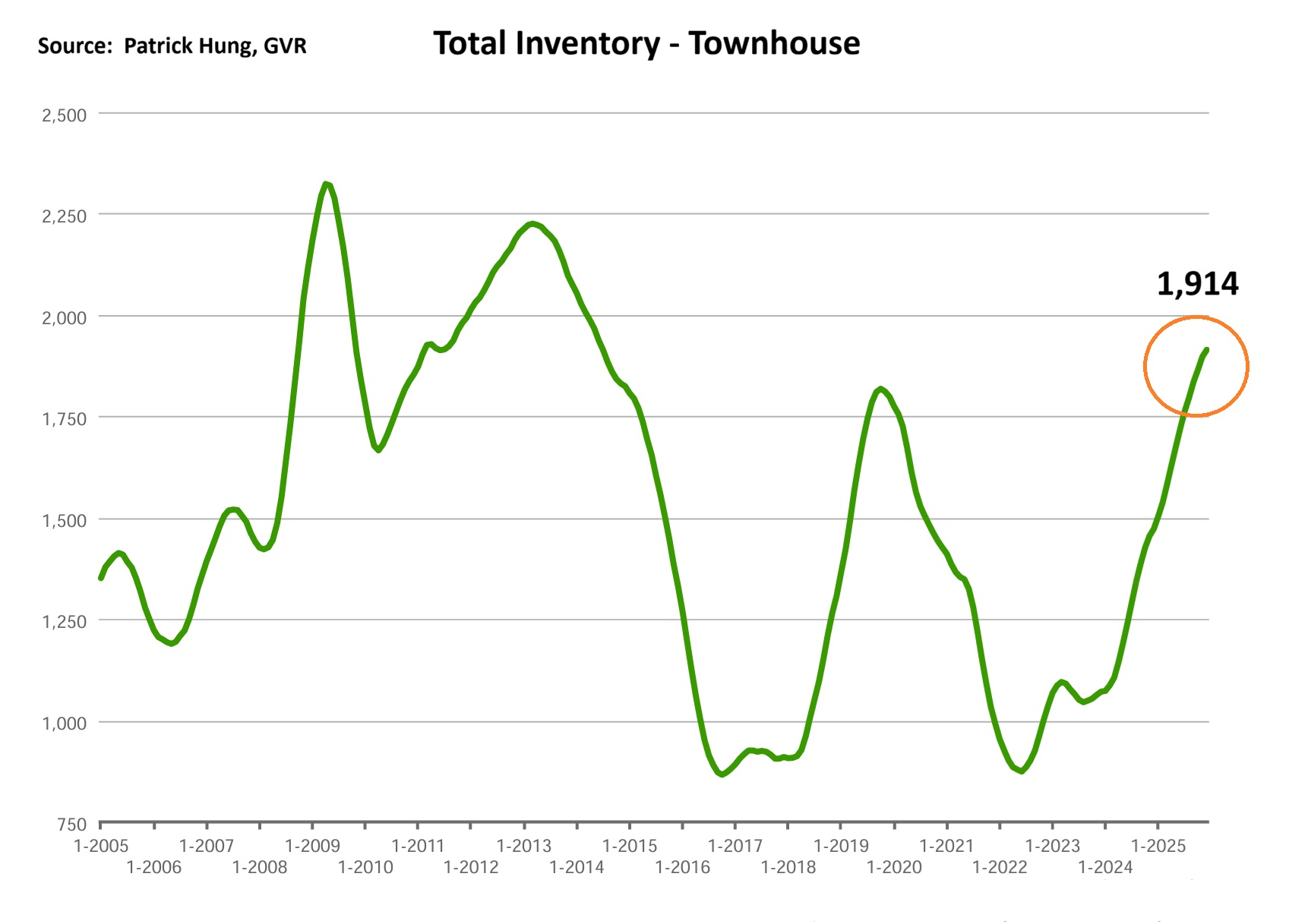
In 2025, the townhouse market was sandwiched into between single house and apartments, both in terms of sales and inventory. On paper, the Greater Vancouver townhouse prices fell by -5% last year, but again it felt more like -10%. Even though we are seeing elevated inventory, it is still faring better than apartments. What was particularly hard for the townhouse owners (and Sellers) is that the majority of them sees 2025 (and 2026 as well) as a year of opportunity to upsize to a single house, yet they are totally stuck on having a hard time to sell. Many townhouse buyers, who need to sell their place as well, vouched for placing the subject to sale condition on their offers. For the first half of 2025, agents and Sellers alike cringe at these subject to sale clause. However, towards to latter half of 2025, it has become a norm that Sellers either deal with an offer having such a clause, or having no offers at all. I believe the subject to sale clause phenomenon would carry on into at least the first 6 months of townhouse Sellers/Buyers. Keep in mind that townhouse owners who need to buy and sell at the same time, need to understand that they will have to take a hit on the selling side in order to facilitate the buying side. In other words, sell at a price that's reasonable or slightly below market market, but making the big money on the buying side.
In 2026, I believe one thing to cheer for townhouse Buyers is their upsizing power will keep rising. Even though townhouse prices will continue to fall, it would likely be the first segment to ease or to bottom out. Why? Townhouse market remain the most affordable upsizing option for young families. As the market remain to be driven mostly by end users, the current lower rate interest rate environment will benefit the townhouse and apartment buyer cohorts the most.
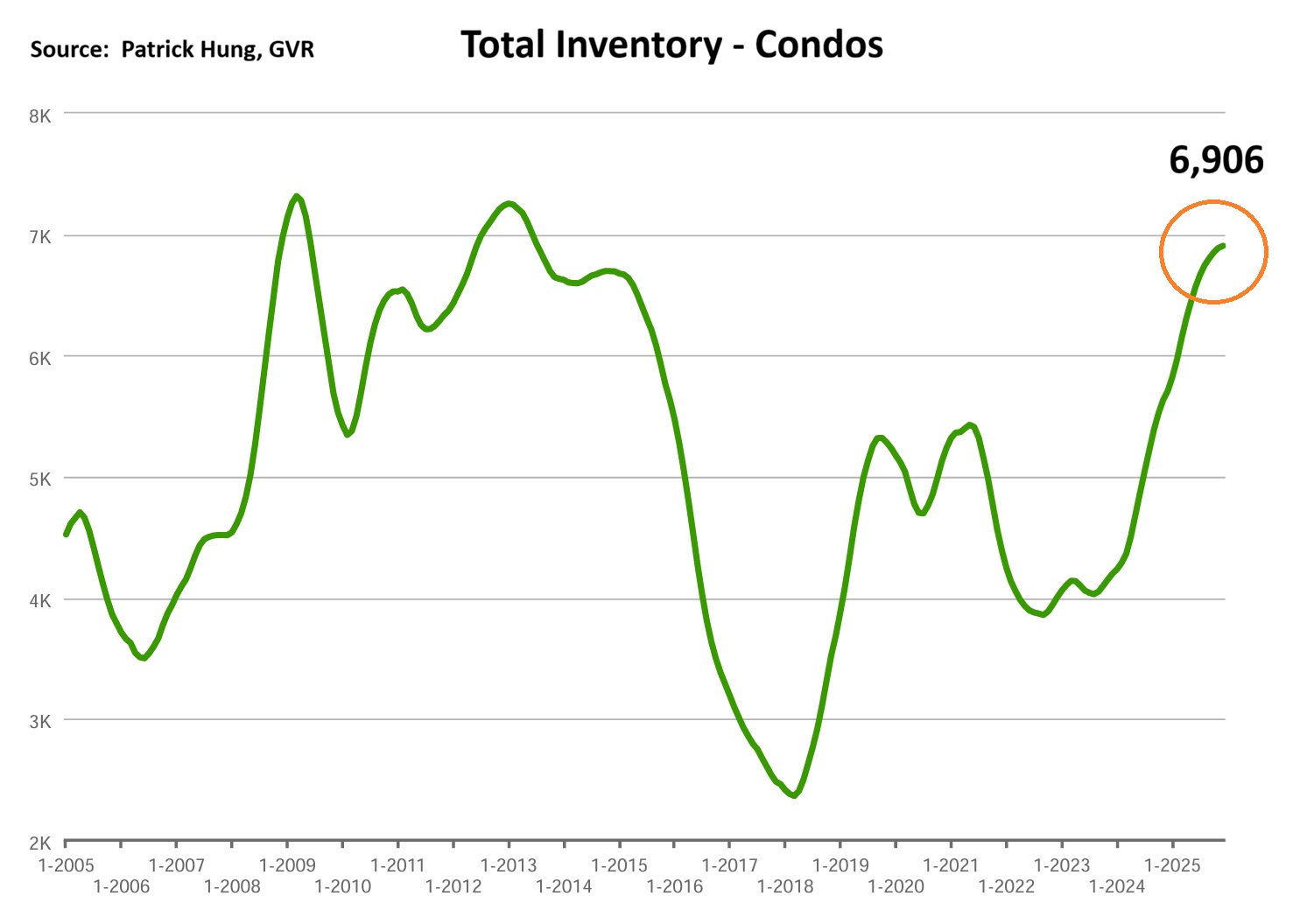
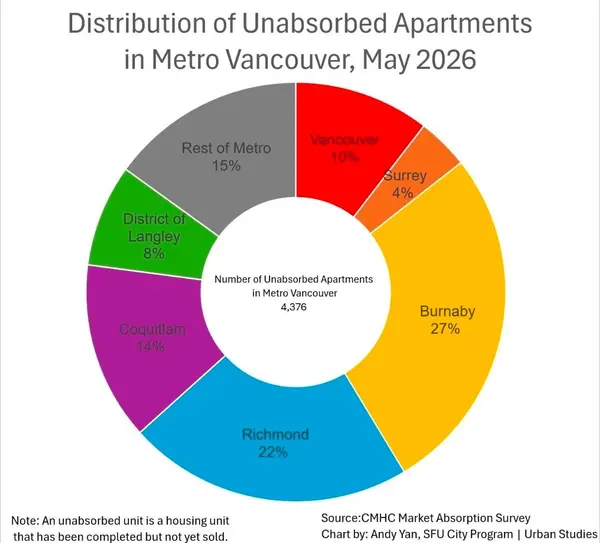
What a year for condo sellers and owner. Simply put, the condo market got hit by a train in 2025, with a year of near record inventory (outside of 2009 and 2013), given that Canada had absorb all the immigration throughout that period as well. What was different last year was that immigration fell off, rents fall followed, causing investor's to abandon this segment altogether. Imagine having a third of the sales (investors) evaporated in the condo segment. To make matters worse, existing condo investment owners are looking to liquidate, and further piling on more supply. For this reason, I am the least optimistic about this segment, especially condos in Brentwood, Langley, and Surrey area where there is an oversupply of pre-sales condos competing in the same space as re-sales. On the other hand, the back-to-office mandate will likely boost condo sales in the downtown core , where it's been taking a hit since the 2016. Overall, this segment will continue to be more polarized than other segments.
In 2026, it is a very realistic assumption that we will see a record high of condos supply, given that there are still lots of pending construction completion. Many investors/end users who have bough these pre-sales are now underwater, having negative equity given their market value is -10% to -15% lower than their purchase value. The micro-homes (sub 500 sf homes) will continue to be the bottom feeder where hardly any end-user like. Buyer confidence may continue to be weak, but entry level priced condos will fare much better than premium or luxury condos. There will still be mounting downward price pressure, given some Buyers in this segment can still hold off their plans; those who are living at home with their parents and has no urgency to buy, can wait for another 3-6 months for a better price. Just watch.
Trends to Look For in 2026:
1. Unemployment Rate & Interest Rate
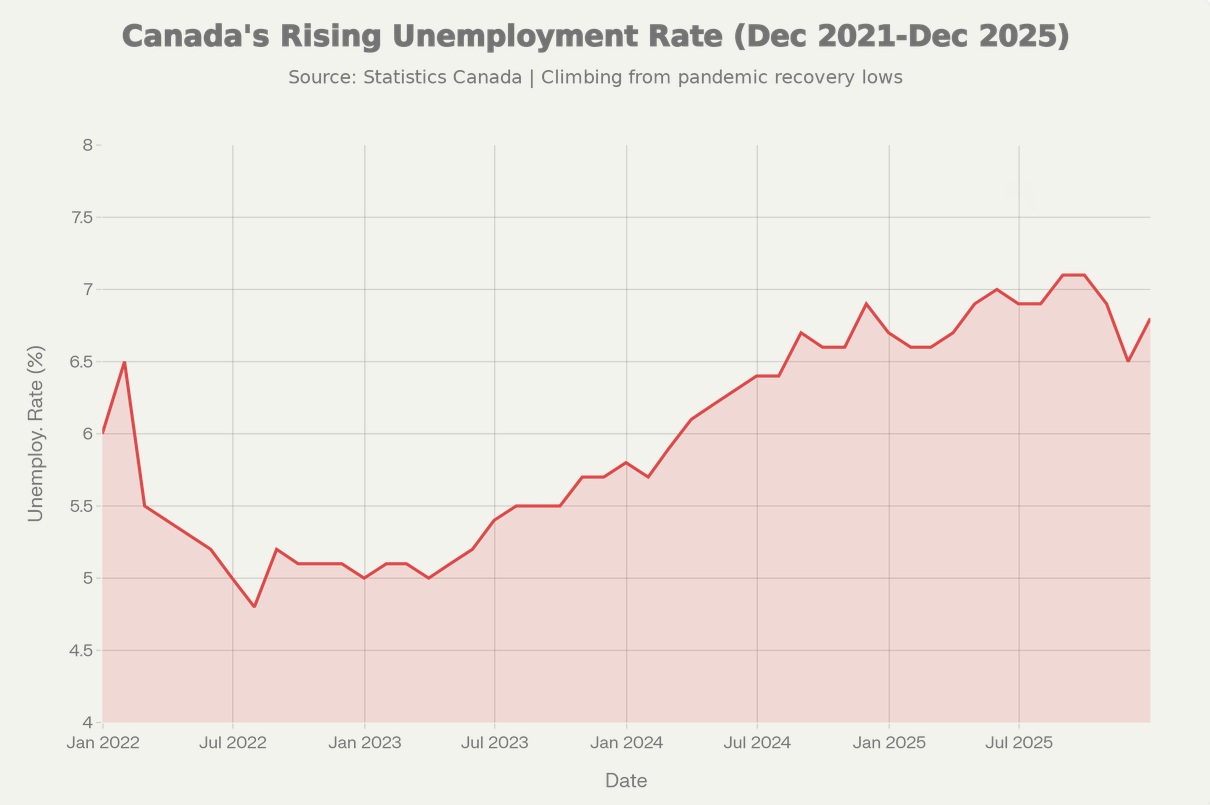
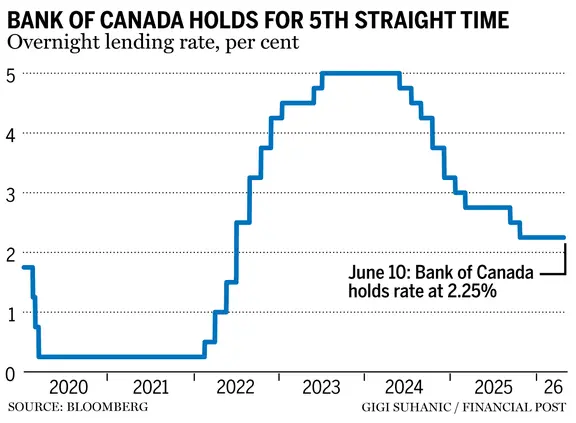
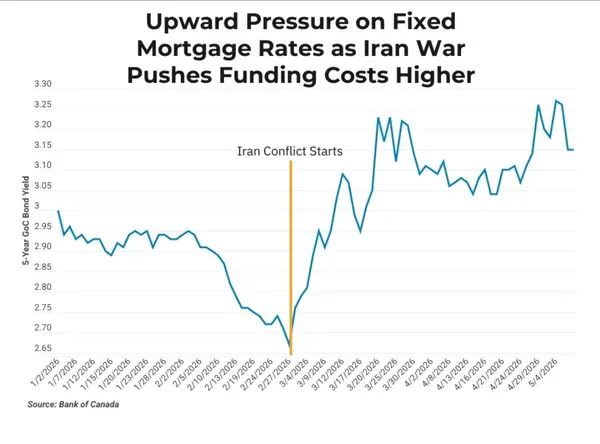
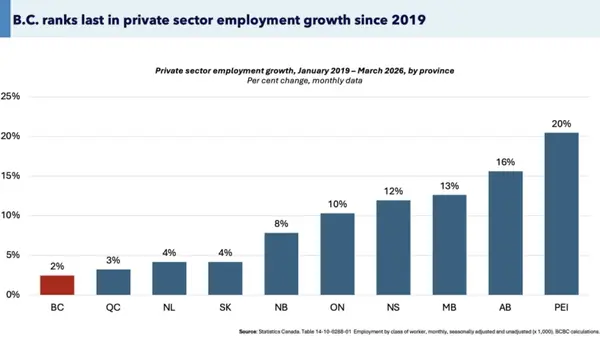
Canada remains the only country that a US tariff deal has not been reached. There may be some optimism in the air given that Carney is starting to strike new deals overseas (i.e China lower the canola oil and seafood tariff starting on March 1). However, short term outlook from the US tariff impacted industries such as steel, aluminum, auto, lumber, to restaurants, the pain will continue to be widely felt and will possibly trickle into 2027. Latest report shows that food inflation has caused 7,000 restaurant closures in Canada in 2025, and with a projected 4,000 more in 2026. As such, I believe that the unemployment rate will remain elevated above 7% for at least the first six months of 2026 . While new deals await to be stuck, it will take time for any new business to materialize. Meanwhile, interest rate looks near at the end of its cycle. Two sides of the coin here on the 2026 interest rate projection; first is the rate to remain flat at 2.25%, and second is for it to drop -0.25 to -0.50%. I am on the former camp where, unless something significant arise (i.e further geopolitical tension), there would be no justification for further cut. The Bank of Canada just has its hands tied, such as seeing food inflation spiking to 4.7% in November 2025 (highest since 2023). Grocery items such as beef has gone up +17%, and ground coffee at a whooping +35%, and it certainly feels much more than that at the grocery store. This puts tremendous pressure on the average Canadian household. As stagflation (high unemployment + high inflation) continues to run rampant, wage growth cannot keep up, and the Canadian standard of living goes down. If food prices remain high and there is no hope of ever owning a home, young Canadians may be forced to leave the country altogether. That is, unless Daddy and Mommy bank jump to the rescue.
Some Vancouver home Sellers are like spoiled children, getting what they want, when they want, how they want it. It was truly a remarkable turn of tides last year seeing the exact opposite happen where prices now continue to slide and the market becomes highly ill-liquid (30 year high in home supply and 20 year low in sales). What we have witnessed is some stubborn Sellers managed to adapt quickly, while others are still living in the past. Either way, Sellers' hands will continue be forced to choose between two options: 1. Selling now and settling for a lower price, or 2. Wait around and see if the market recovers or drops further. I expect the first half of 2026 will be much the same, with elevated inventory and more upset Sellers.
There was the fear or heights, and then there is the fear of overpaying. The fear of looking down from high up is certainly comparable to buying a higher priced home and looking back with remorse. As the market is now driven by end-users, only those who need to buy (i.e growing family with another child on the way) will do so. The cohorts such as first time home buyers living with their parents, or those with plans to upsize but with no immediate urgency, they can playing the waiting game for another 3 to 6 months and see. In most cases, Buyers are correct in getting a lower price as the inventory builds up and downward price pressure will mount. Keep in mind though, for the first two weeks of 2026, we are seeing a surge of buyer groups in open houses and more accepted offers begin to surface. Most of these listings are competitively priced, or Seller has adjusted their mentality according to the new BC Assessment. Some of these listings that was snatched up had been sitting on the market for months. It remains to be seen if this is a blip on the map, or of an emerging trend, but it is worth monitoring. Key is, we still have a built up of 8 months of inventory (for context, 5 months is considered a balanced market), so technically speaking we are months off from a bottom or a recovery. Let's see.
Recent Posts


GET MORE INFORMATION